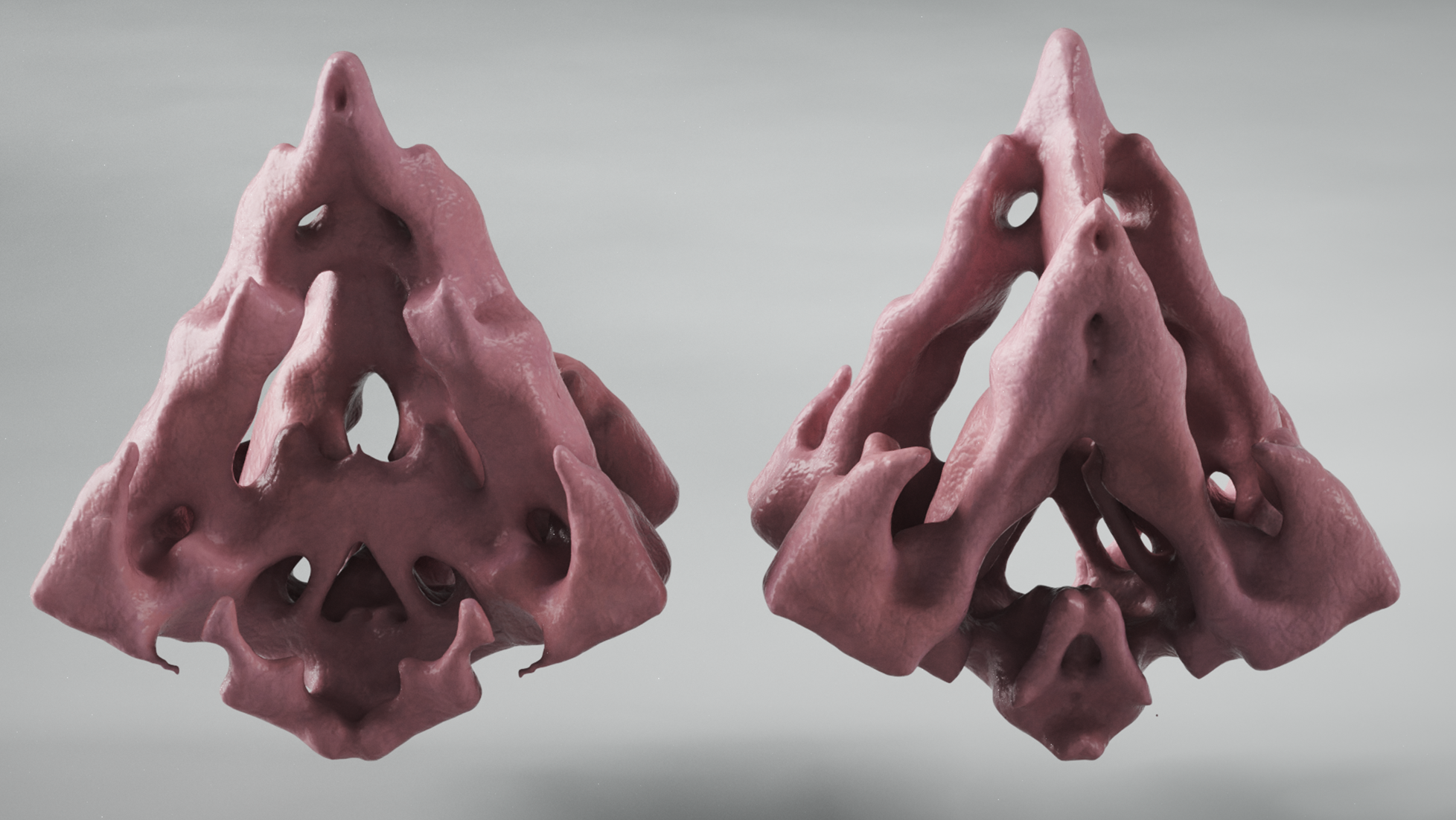
COMPUTATIONAL GEOMETRY | GENERATIVE SYSTEMS | PARAMETRIC DESIGN
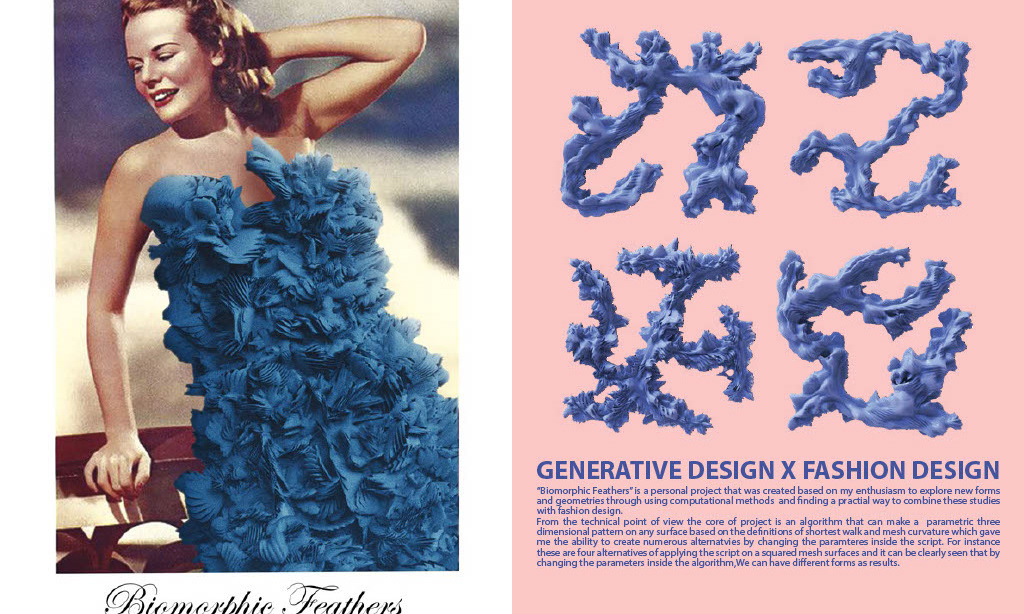
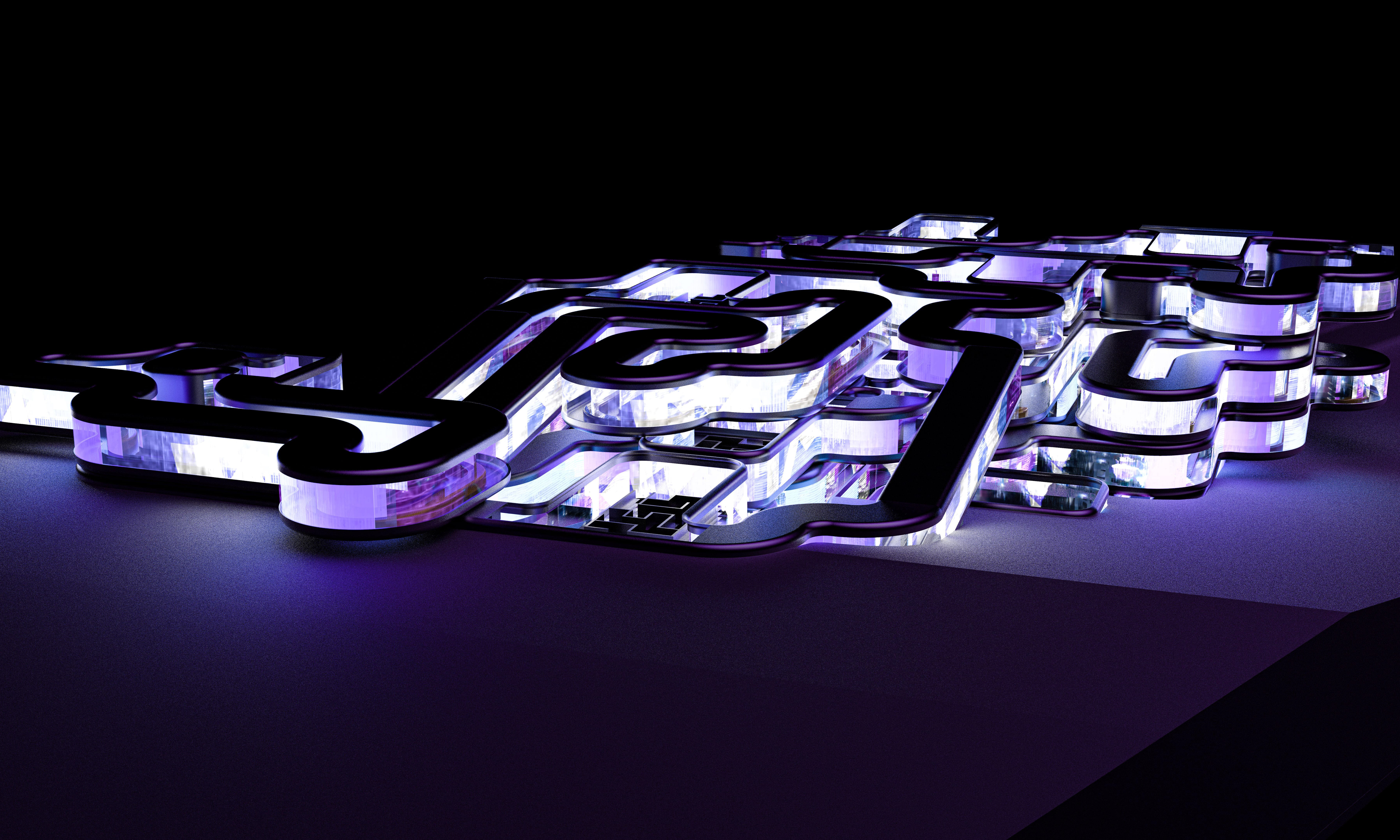
These series of projects explore how algorithmic systems can generate form through logic, randomness, and simulation. Each object emerges from a unique parametric process, where geometry grown from computational rules.
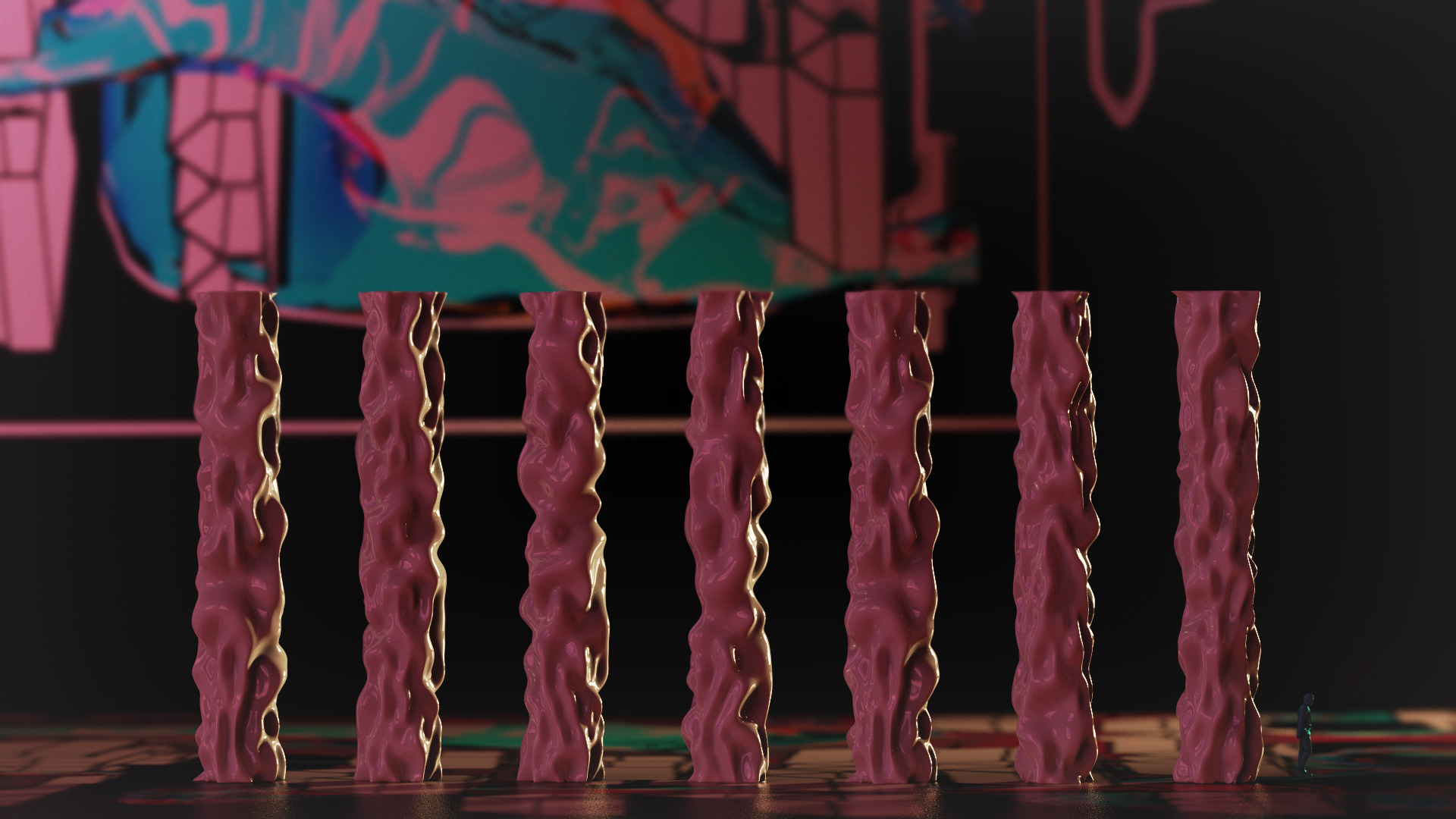
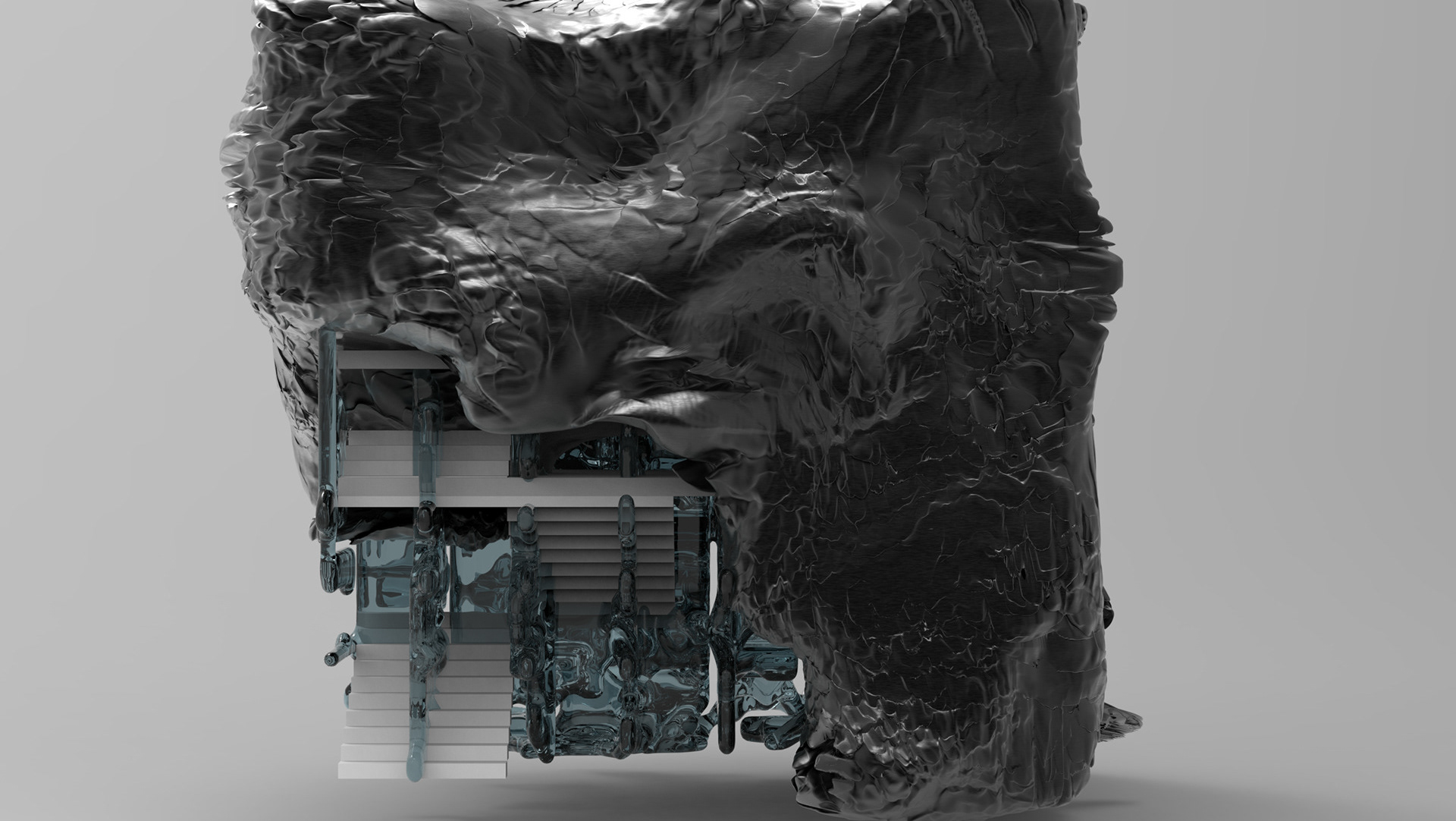
Exploring computational geometry through the use of Worley Noise 3D to generate organic, columnar forms. The system manipulates geometric irregularity and smooth deformation to produce a series of pillars that appear simultaneously natural and synthetic.
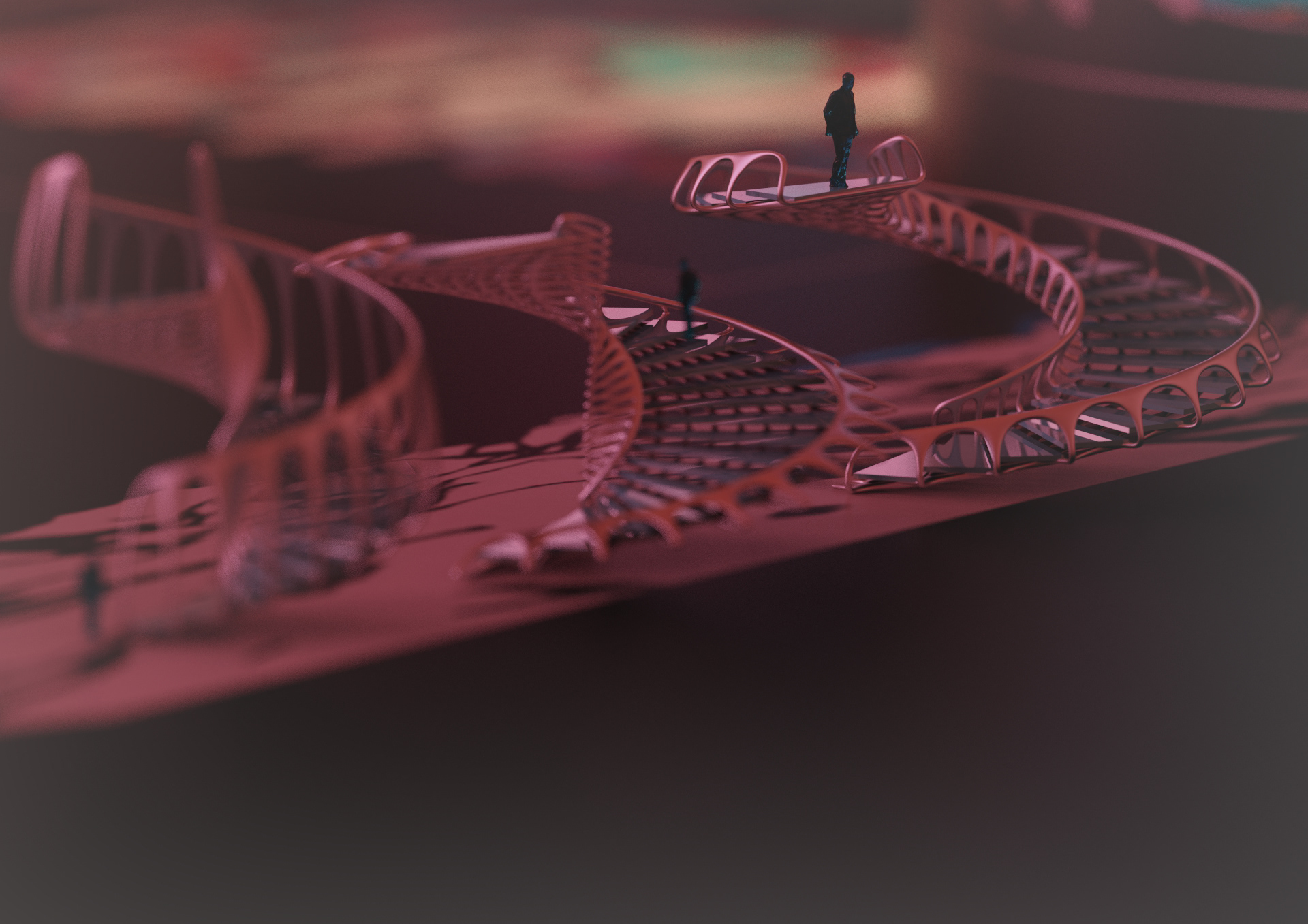
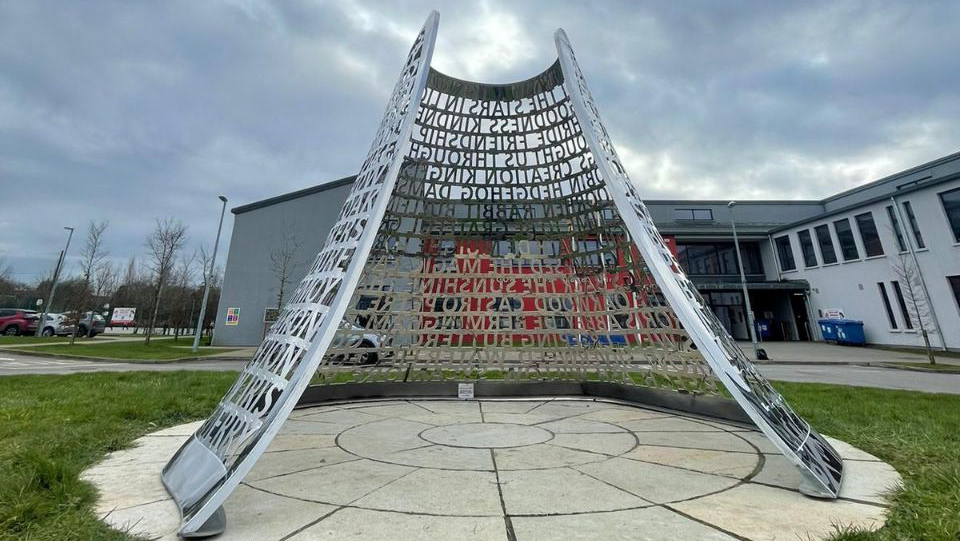
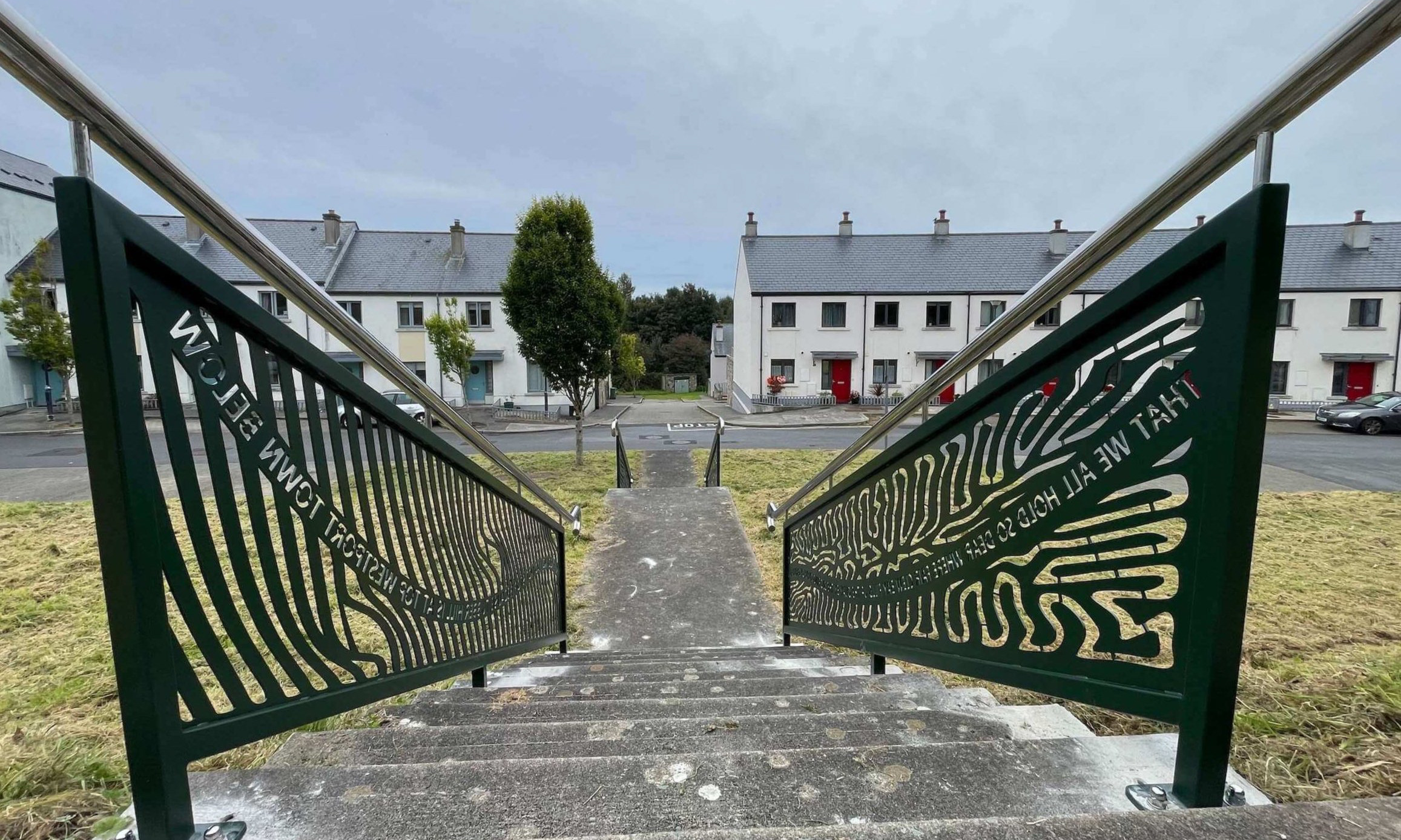
Designed out of a parametric system of curvature and repetition, this staircase flows like a continuous ribbon. Each segment responds to algorithmic logic, transforming code into spatial rhythm and sculptural movement.
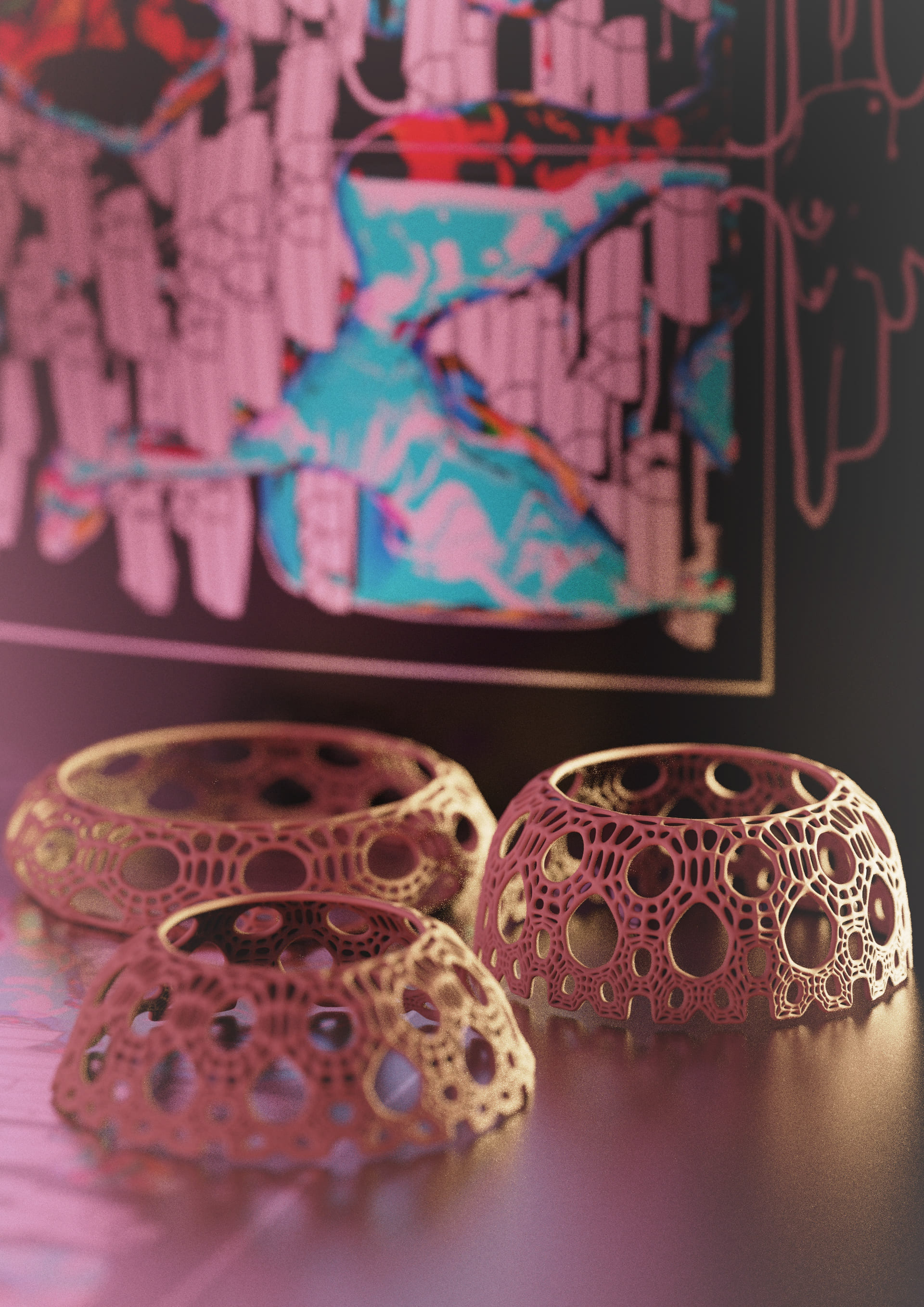
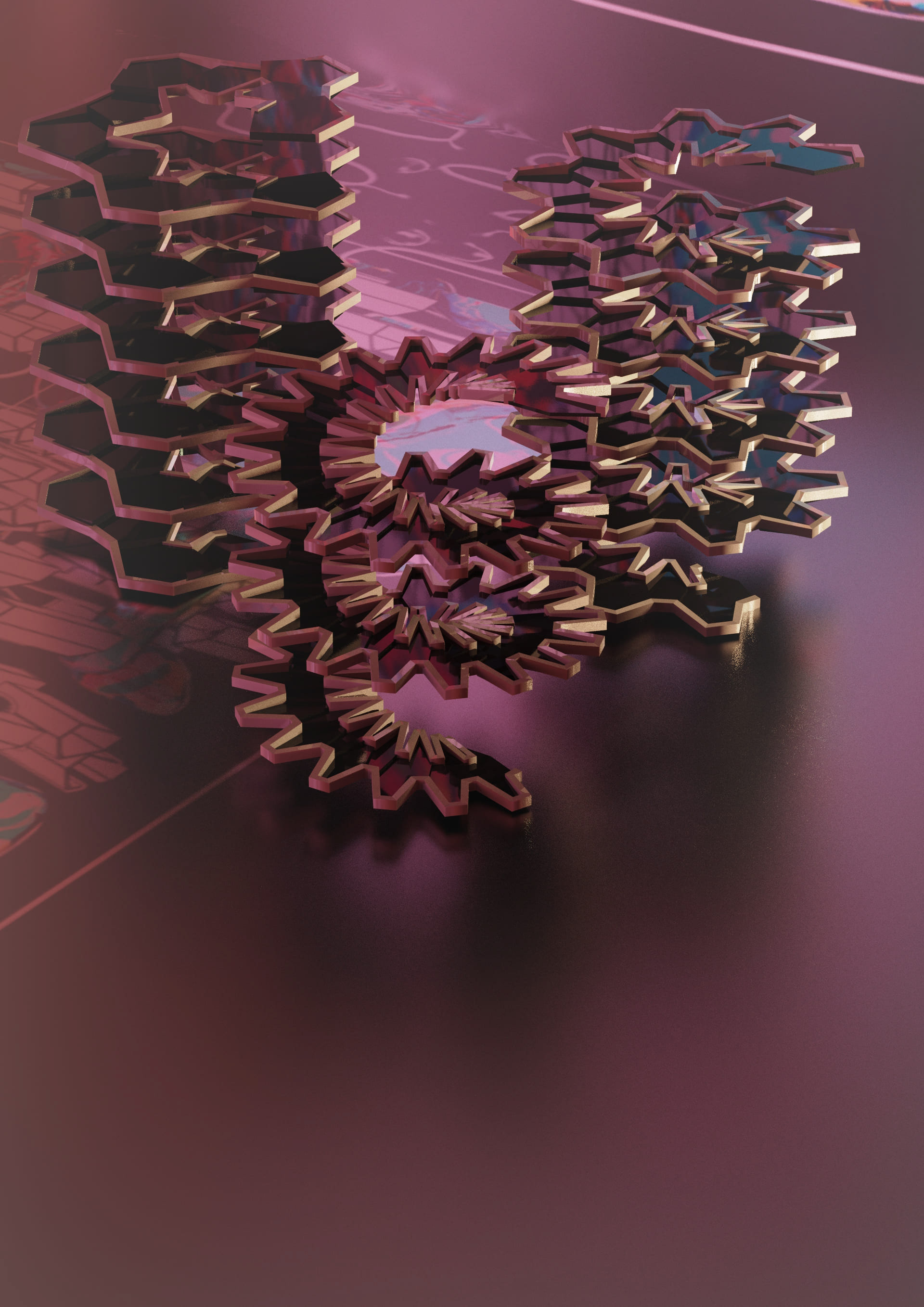
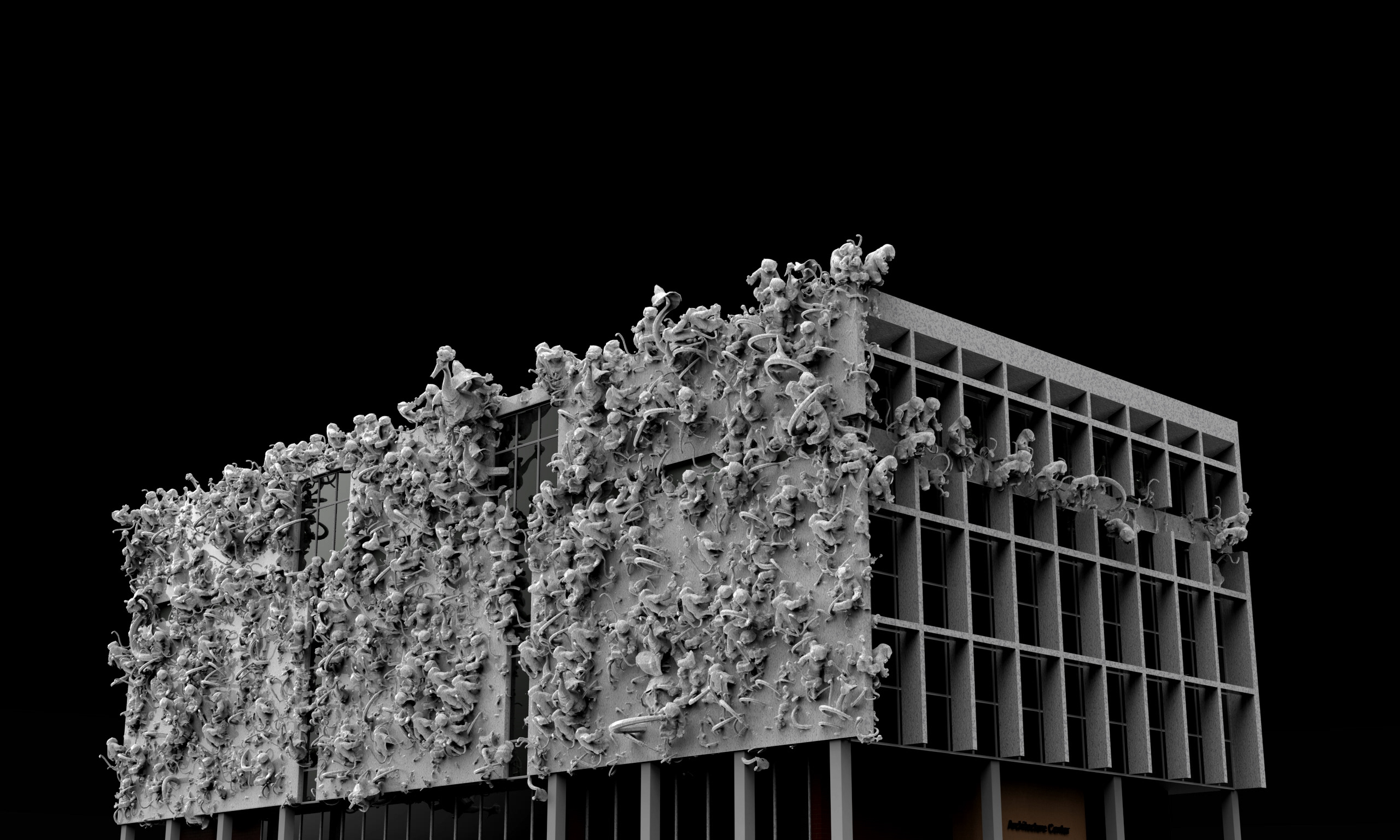
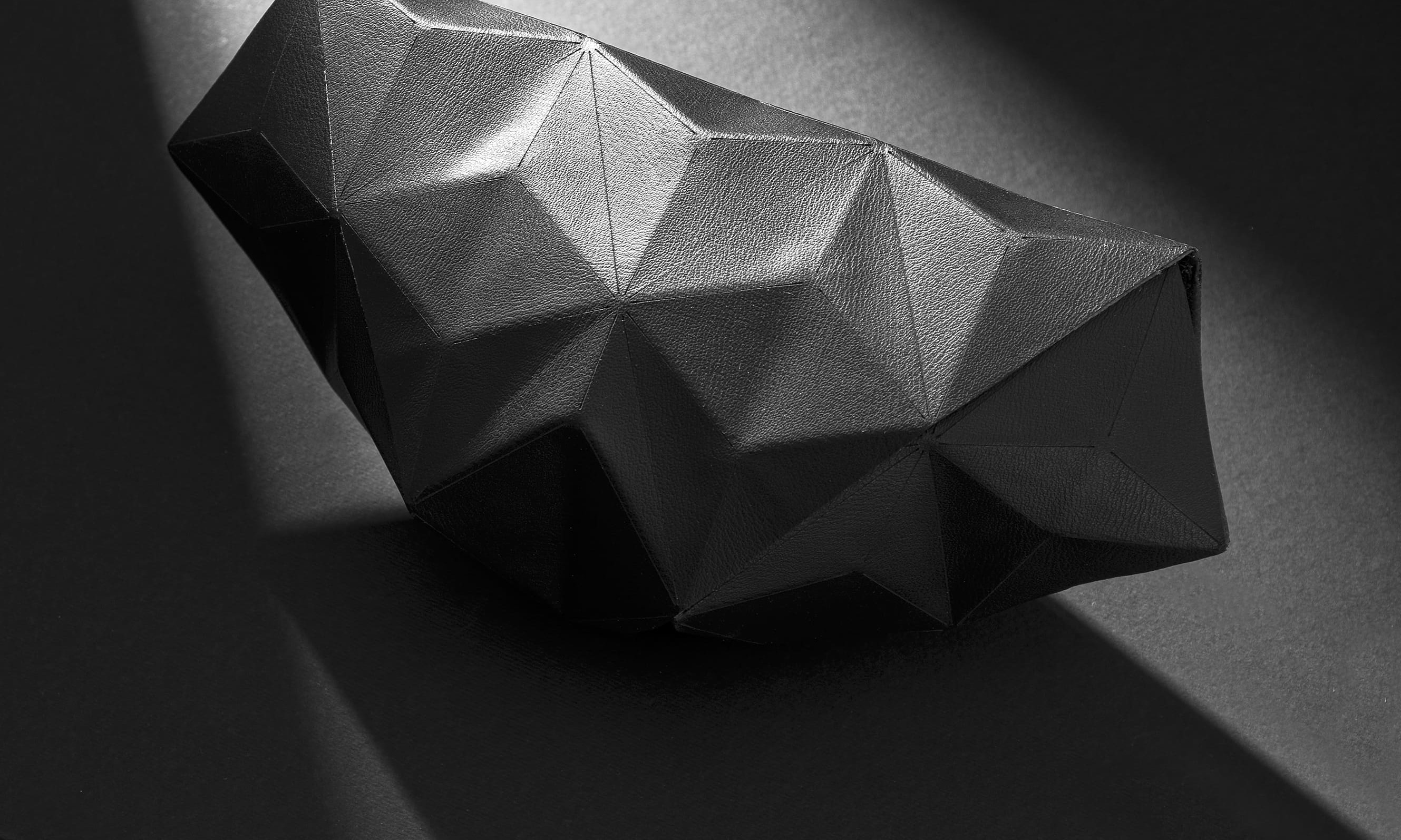
1. Parametric methods were used to generate modular components that expand and contract in reaction to environmental stimuli, producing an adaptive and interactive surface.
2. The stair system translates geometric logic into spatial form through computational and parametric techniques. Its hexagonal pattern provides structural stability while introducing a fluid sense of rhythm and visual depth. Each segment is algorithmically defined, allowing the system to adapt to varying dimensions and spatial constraints.
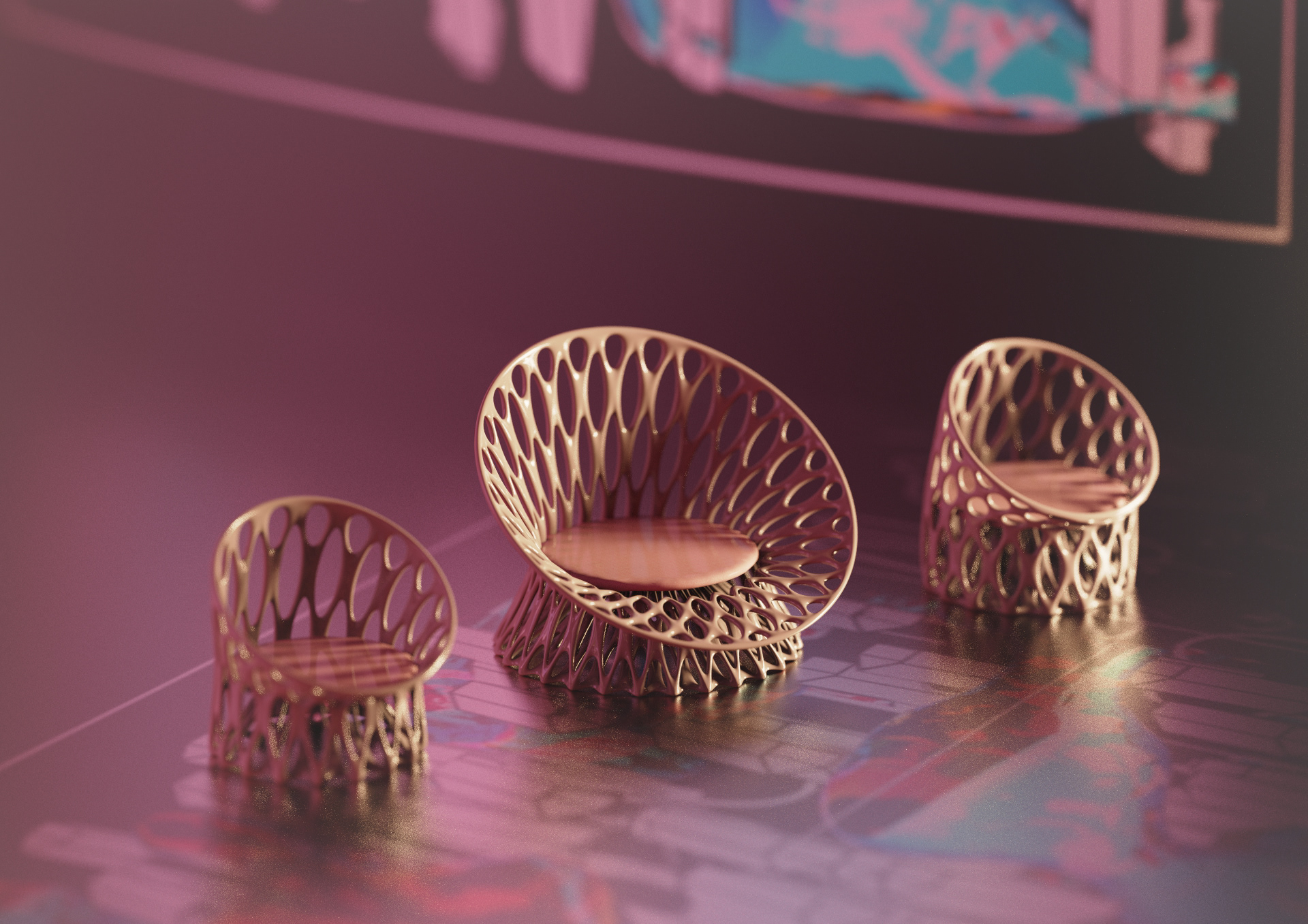
This collection of chairs is generated through computational and parametric design methods, translating geometric logic into ergonomic and sculptural forms. Each piece is defined by a lattice-like surface system that adapts to curvature and proportion, creating a visually light yet structurally stable design.
The algorithmic process allows continuous variation within a shared design language from compact stools to larger lounge configurations.
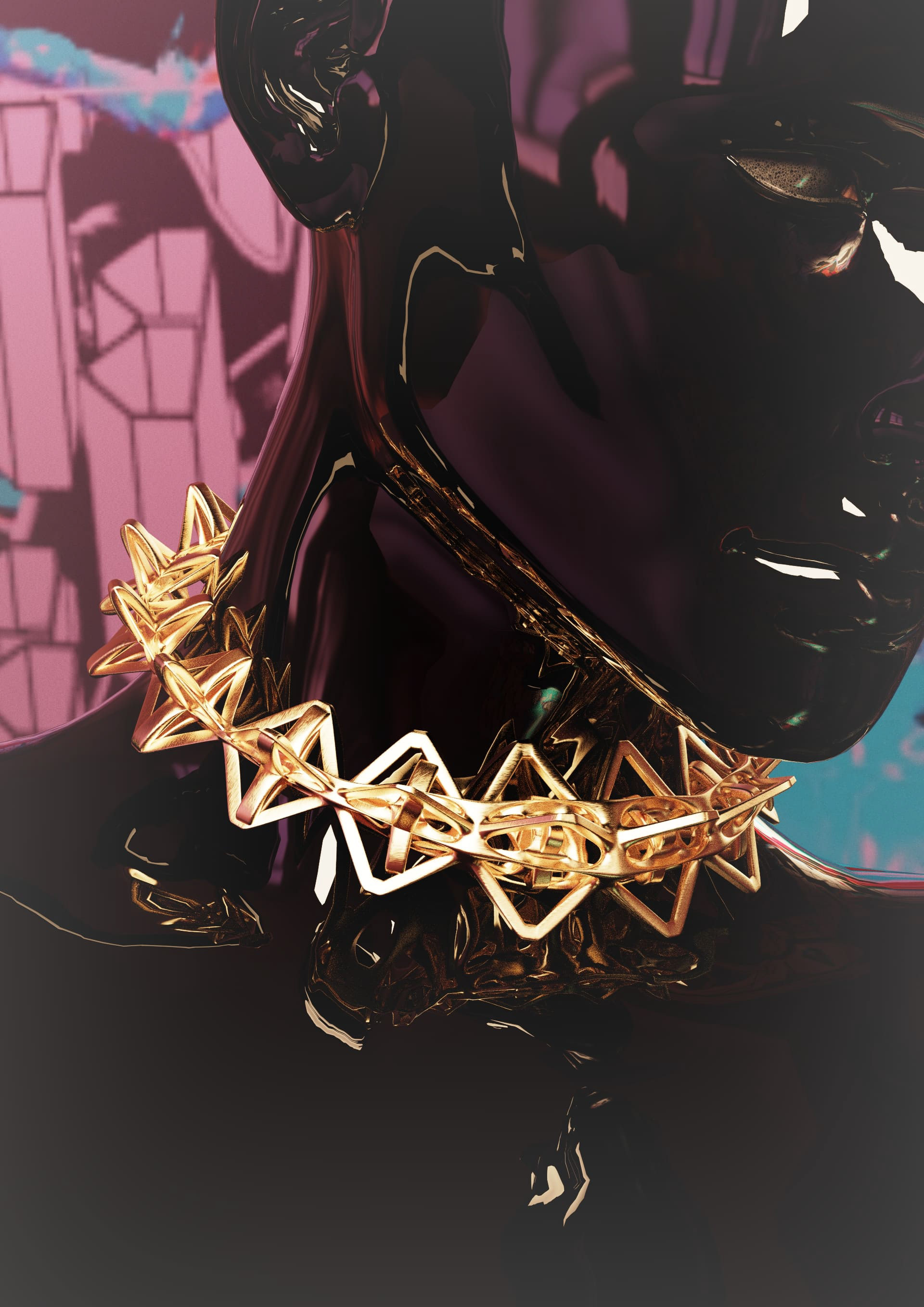
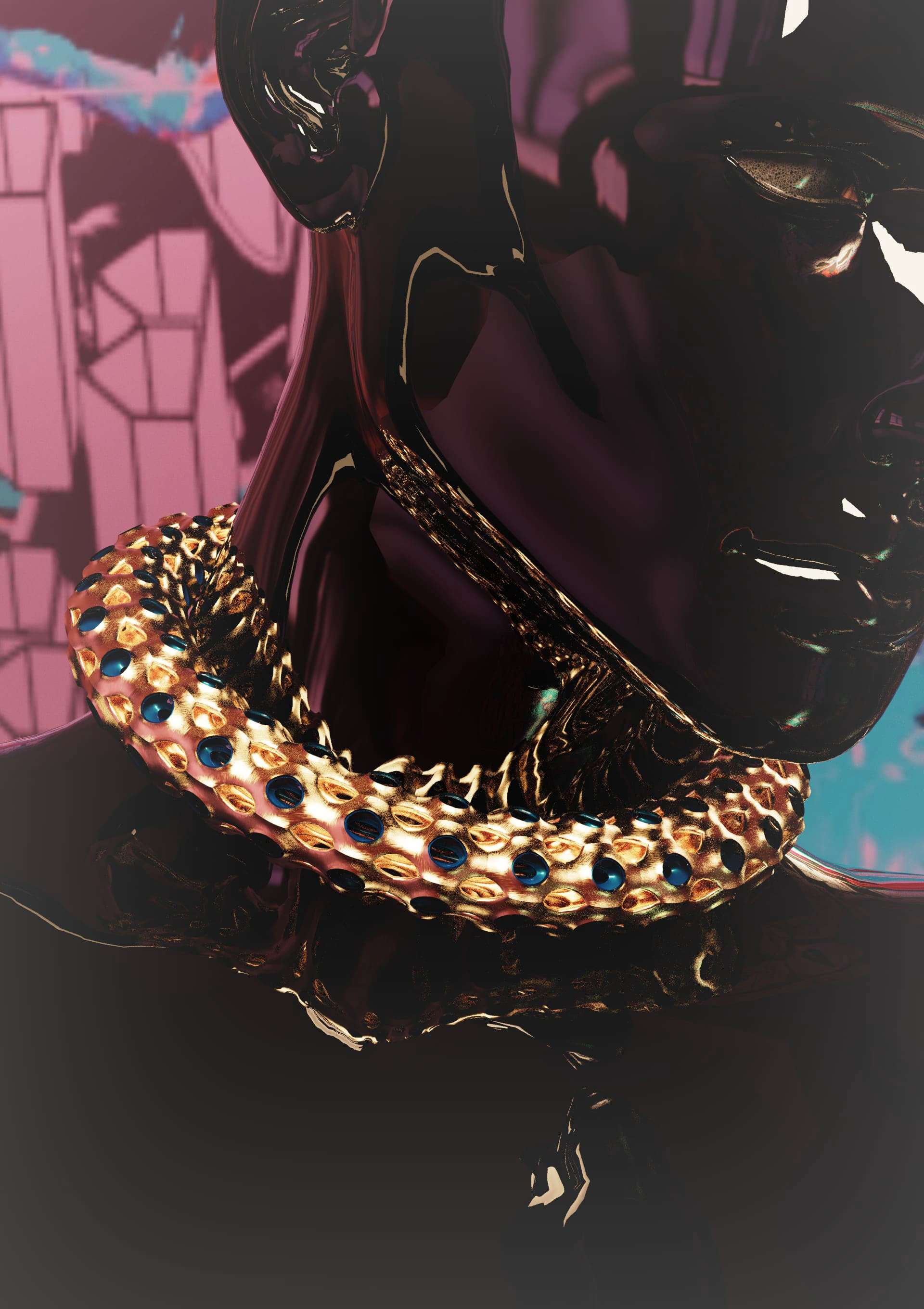
This jewelry series explores computational design at a micro-architectural scale, translating geometric logic into wearable form. Each piece is generated through parametric systems that control structure, density, and curvature, allowing digital precision to meet organic complexity.
The first design employs a crisscross lattice system, inspired by tension and balance. Its angular geometry produces a lightweight yet intricate form that wraps elegantly around the body.
The second piece draws from minimal surface geometry, creating a continuous, fluid structure embedded with reflective nodes. The form balances smooth topology and controlled ornamentation.